Etches Explained
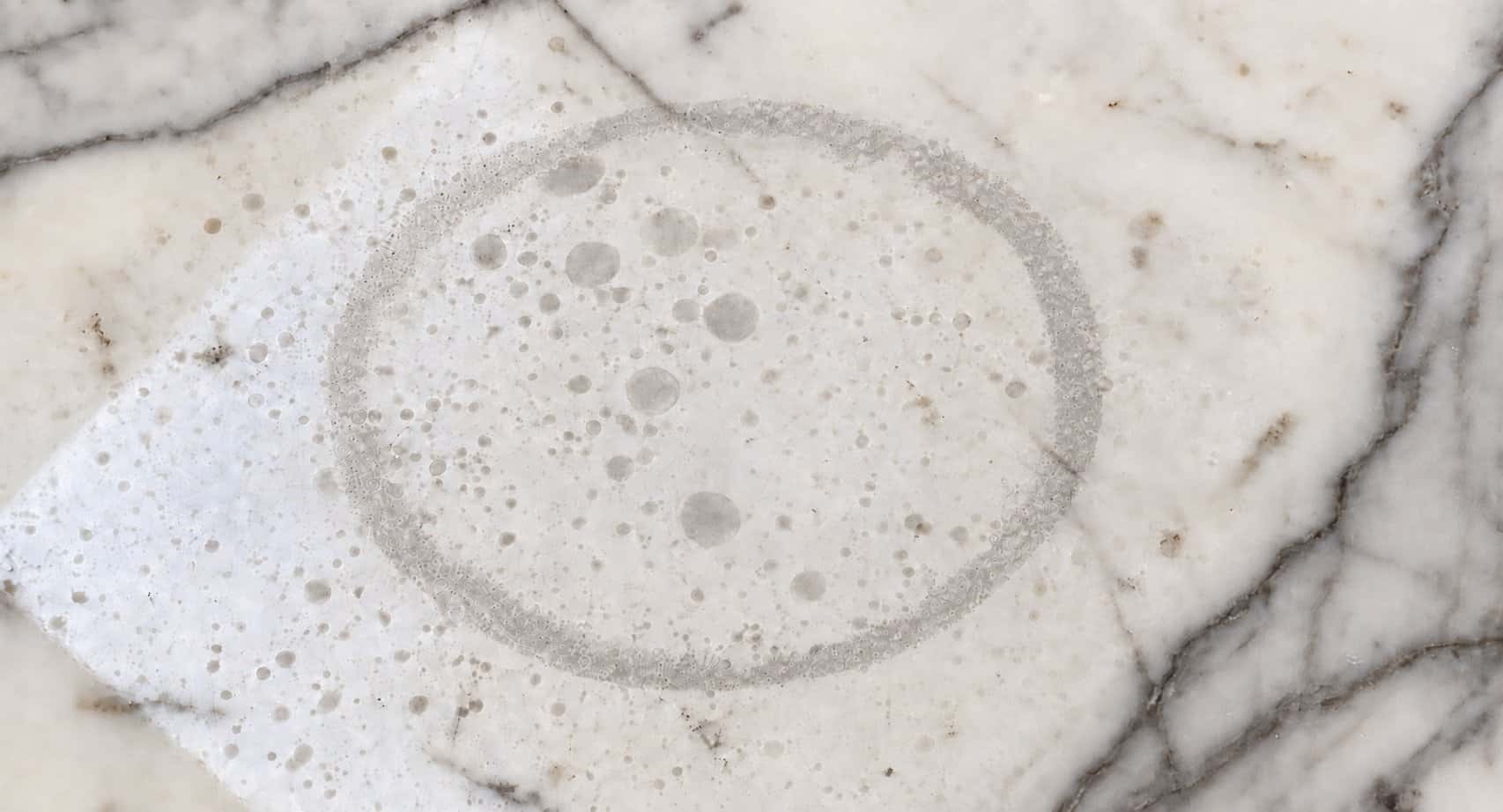
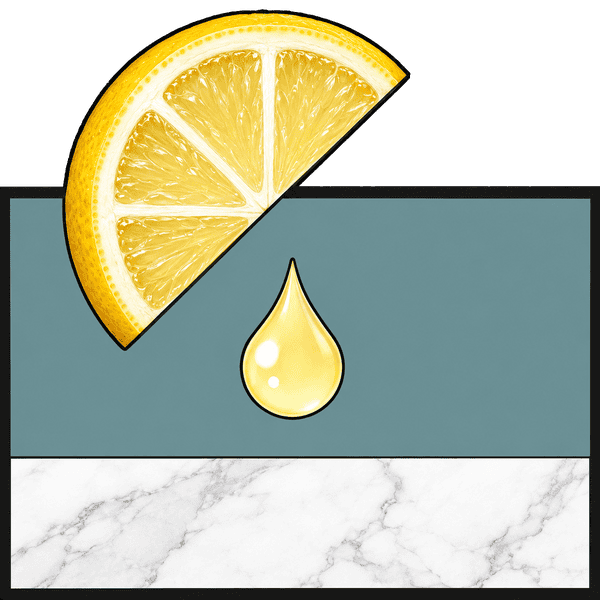
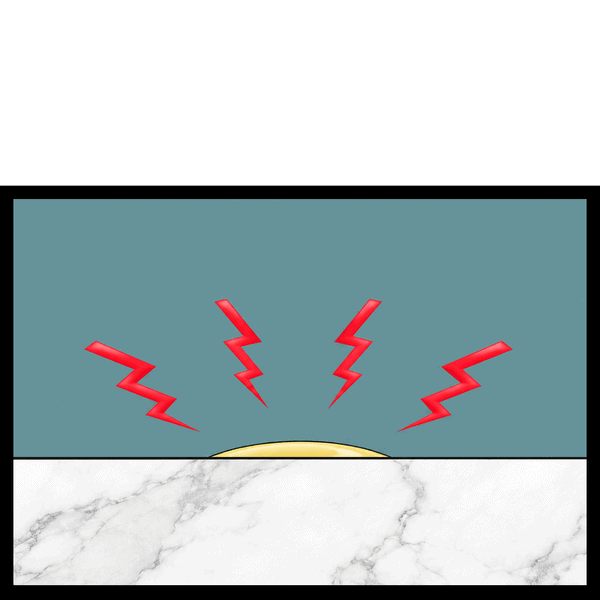
An etch is chemical erosion of a stone’s surface. In marble and other calcite-based stones, such as limestone and travertine, acids react with the calcium carbonate and dissolve a small amount of the surface material. Everyday substances—including lemon juice, vinegar, wine, and acidic cleaners—can cause this damage.
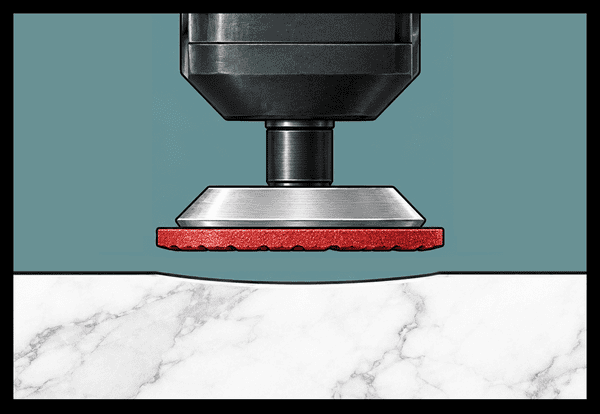
The resulting microscopic roughness changes how the surface reflects light, creating a dull, cloudy, or whitish mark that is especially noticeable on polished stone. More severe etching can leave a visibly rough texture or shallow depression.
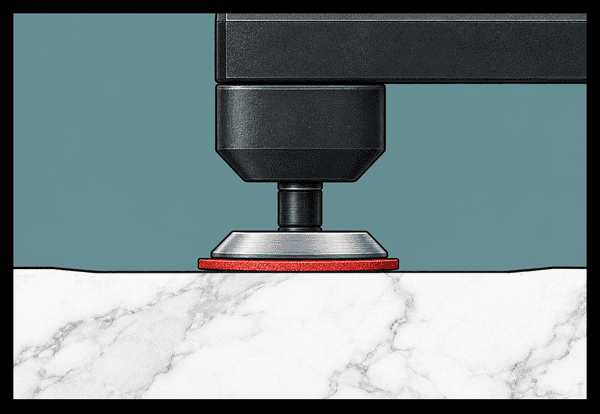
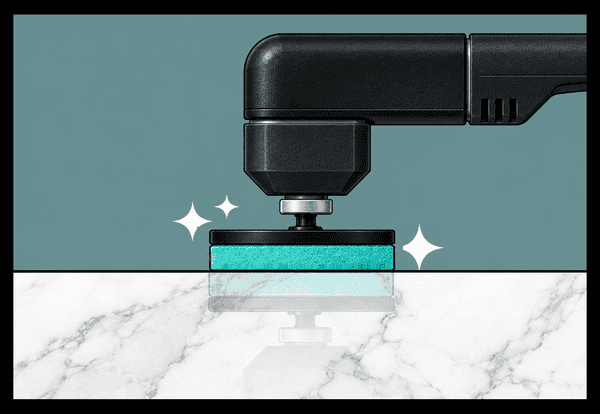
Because the stone itself has been altered, an etch cannot simply be cleaned away. Restoring the finish requires refinishing the affected surface. Ordinary penetrating sealers help resist staining, but do not prevent acid etching.